Step into the world of Kalagram at Chokhi Dhani, Jaipur where tradition, culture, and craftsmanship converge to create a vibrant celebration of India is handmade heritage. Located inside the renowned Chokhi Dhani Village Fair & Restaurant, Kalagram is not just a market it is an experience. Here, each handmade product tells a story, every stall echoes with the rhythm of folk culture, and artistry is preserved in its most authentic form.
Whether you are a student of design, a professional seeking sustainable sourcing options, or a decision maker looking to support cultural preservation, Kalagram offers a front-row view of India’s rich artisanal legacy.
The Living Soul of Handmade India
In a fast-paced digital world, handmade products feel like a breath of fresh air or more precisely, a handwritten letter in the age of emails. There is an unmistakable warmth and personal touch in handmade home décor items, handmade gift items, and showpiece handmade artifacts that simply cannot be replicated by machines.
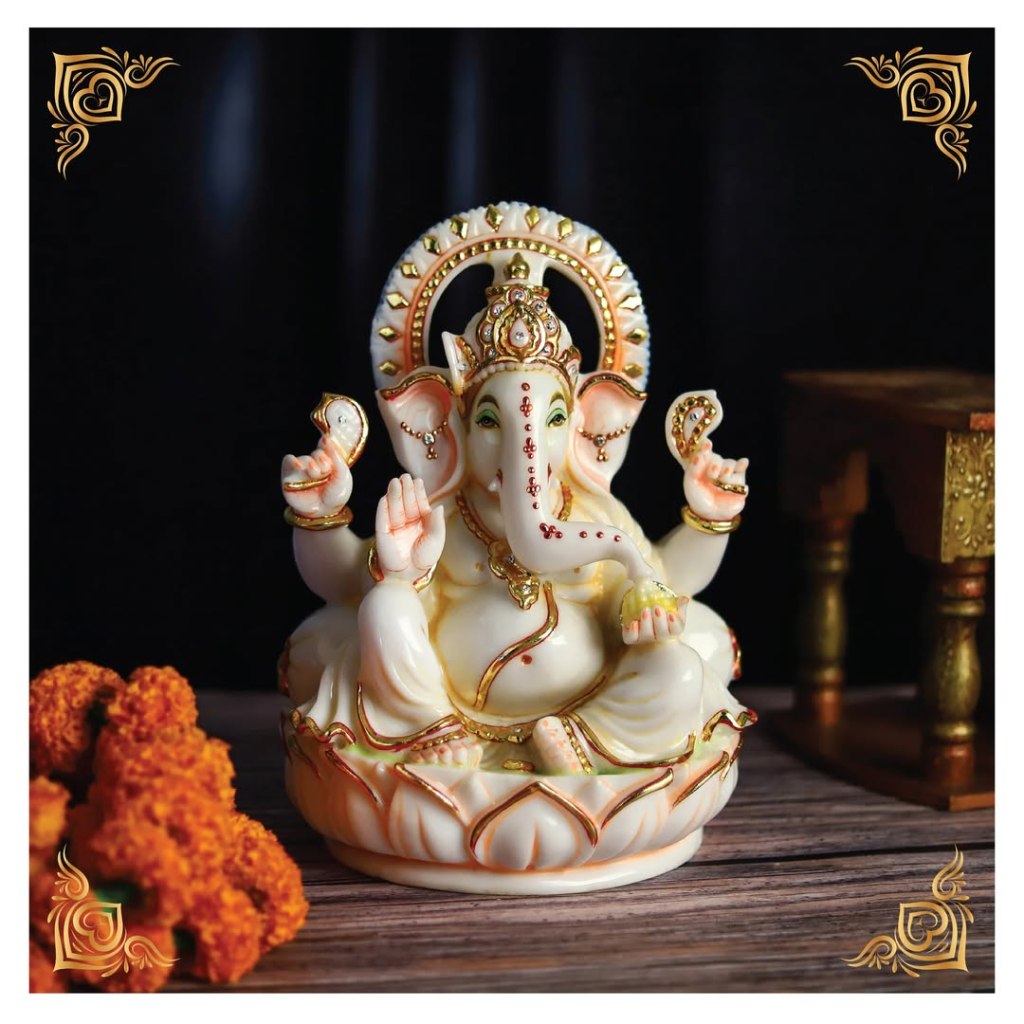
Take a handmade Ganesh Murti, for instance. Often sculpted from clay or carved from wood by artisans using tools their ancestors once used, these idols are more than decorative they are sacred and deeply personal. The same goes for mirror work wall hangings, hand-painted ceramics, and intricately embroidered textiles — each piece a result of patient, deliberate artistry.
Traditional Markets as Cultural Ecosystems
India’s traditional markets serve as vibrant ecosystems where art, economy, and culture co-exist harmoniously. Some of the country’s most iconic artisan-friendly markets include:
1. Kalagram – Chokhi Dhani, Jaipur
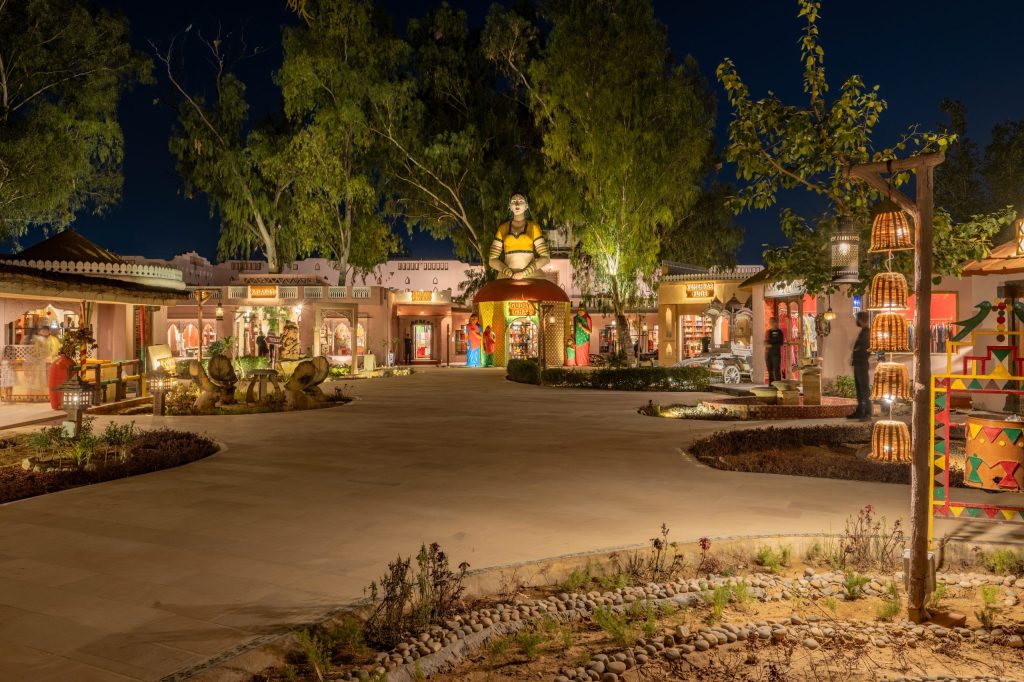
Lets start where culture breathes. Kalagram is designed to celebrate rural India’s creative spirit. From colorful handmade decorative items to region-specific crafts like blue pottery and handwoven fabrics, every product here showcases the skill and soul of Indian artisans. More than just a shopping space, it is a cultural destination a place to witness live performances, interact with artisans, and immerse yourself in a curated village setting. If you want to take home something meaningful, this is the place.
2. Dilli Haat – Delhi
This open-air craft bazaar is where artisans from across India come together under one roof, rotating periodically to showcase diversity. You will find everything from woodwork in Uttar Pradesh to tribal jewelry from the Northeast all handmade, all unique.
3. Shilparamam – Hyderabad
A permanent fair of arts and crafts, Shilparamam brings the flavors of rural India to an urban audience. It is famous for terracotta sculptures, handmade textiles, and festive handmade gift items that reflect authentic traditions.
4. Ravivari Market – Ahmedabad
With a 600-year history, Ravivari is a chaotic but colorful market where everything from pottery to handmade Ganesh Murtis finds a buyer. It is a testament to the endurance of traditional crafts in a modern setting.
Beyond Aesthetics: The Deeper Value of Handmade
Why does handmade matter? On a surface level, these products add uniqueness and personality to our homes and wardrobes. But dig a little deeper, and you will discover a world where artistry meets sustainability and social impact.
- Employment: India’s handicraft sector provides employment to over 7 million people, many of whom live in rural areas and depend on seasonal tourism and craft sales.
- Sustainability: Handmade items typically use local materials and traditional processes, resulting in a much smaller carbon footprint than industrial alternatives.
- Cultural Preservation: Each craft carries centuries of inherited technique and regional identity — whether it is the block prints of Rajasthan or the papier-mâché art of Kashmir.
The Emotional Intelligence of Handmade
There is an emotional intelligence embedded in handmade products that mass production simply cannot match. Think of them as analog instruments in a digital orchestra. A showpiece handmade with recycled glass and tribal patterns is not just décor it is dialogue. A hand-stitched cushion is not just functional it is a statement.
These are not just objects. They are vessels of memory, identity, and intention.
What Professionals and Students Can Learn
For professionals in the lifestyle, design, or retail sectors, engaging with handmade markets offers insights into sustainable sourcing, ethical business models, and consumer sentiment toward authenticity. For students, these markets are real-life case studies in craft economics, cultural anthropology, and creative enterprise.
Visiting places like Kalagram can shift perspectives. It shows that value isn’t always measured by technology or speed — sometimes, it’s measured by care, culture, and craft.
In Conclusion
India’s traditional handmade markets are more than just shopping destinations. They are living archives of our past, present, and potential future. Whether you are buying a handmade Ganesh Murti, picking up home décor items handmade, or looking for meaningful handmade gift items, you are not just acquiring a product — you are investing in a story.
So next time you are in Jaipur, step into the heart of handmade India. Visit Kalagram at Chokhi Dhani and witness a world where every craft is a legacy, and every purchase supports a tradition worth preserving.
 Techgalaxy
Leave a comment